The job of an investor should change as a company grows…
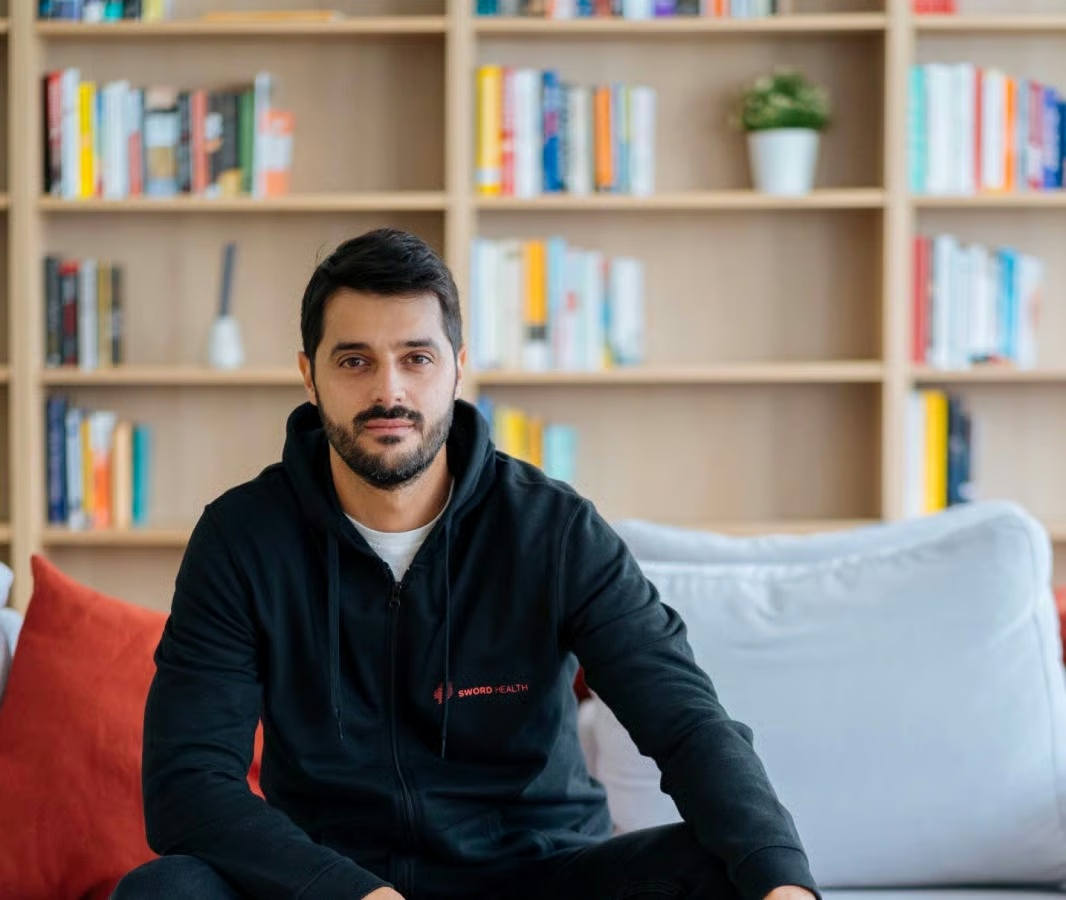
Sword started in a basement lab in Portugal. Its founder had just finished his PhD. He had no established network, no Rolodex and none of the pedigree investors usually look for when deciding who gets to build an important company.
What Sword had was technology and evidence.
The team spent four years developing its core product and producing the clinical validation to show that AI could deliver high-quality autonomous clinical care. It survived mostly on research grants, with very little money and no guarantee that investors would eventually care.
When Sword was finally ready to launch commercially and build its go-to-market organization, it went out to raise a Series A. The company had done the work. It had the technology. It had the clinical evidence. It knew the product worked.
Practically every investor passed.
Tier 1, tier 2, tier 3. It made little difference. Most had trouble believing that a team from Portugal could fundamentally change healthcare in the United States, and eventually around the world. The evidence was strong, but the story did not look familiar enough.
We looked past the missing pedigree and the unfamiliar seed investors. We focused on what was actually in front of us: the quality of the clinical evidence, the ambition of the team and the substance of what they had built.
We led the round when almost nobody else would.
Every financing round Sword has completed since then has been oversubscribed. But the founder still puts it best: “That first yes mattered more than all the easy yeses that came afterward.”
That first yes was only the beginning.
By 2021, Sword’s first solution was growing incredibly fast. The obvious advice was to stay focused. Keep scaling. Feed the thing that was already working and avoid anything that might slow it down.
Most investors would have said exactly that.
We kept pushing in the other direction.
We wanted Sword to think about its second S-curve before it thought it needed one. Not when the first business started slowing. Not when the market forced the issue. While the original product was still climbing and the company had every excuse to leave well enough alone.
Sword listened. It began building a second solution in 2021 and launched it the following year. That first year, the new product generated about $500,000 in revenue. Against the scale and momentum of the original business, it barely registered.
Last year, that same solution generated $55 million. That is 110x growth in four years. By Sword’s estimate, it would be worth more than $1 billion as a standalone company.
We wanted Sword to think about its second S-curve before it thought it needed one.
The easy thing would have been to keep pouring everything into the first product. That might even have been the correct answer for a while. But the longer a company waits to build its second act, the fewer good options it has when the first one eventually slows.
We did not build the product. Sword did. Our role was to keep asking the uncomfortable question while the company still had the time, momentum and resources to do something about it.
Then the nature of the work changed again.
More recently, Sword began pursuing the largest and most strategically important acquisition in its history. Getting the deal done would require much more than capital. The company needed to move quickly through diligence, earn the confidence of the other company’s shareholders and investors, and know that financing would be available if the opportunity came together.
We got involved in all of it.
We helped move the necessary diligence forward. We worked directly with the other shareholders to explain why Sword was the right home for the company. And we made sure financing would not be the reason Sword had to walk away from the opportunity. Without KV there was little chance that the acquisition would have happened.
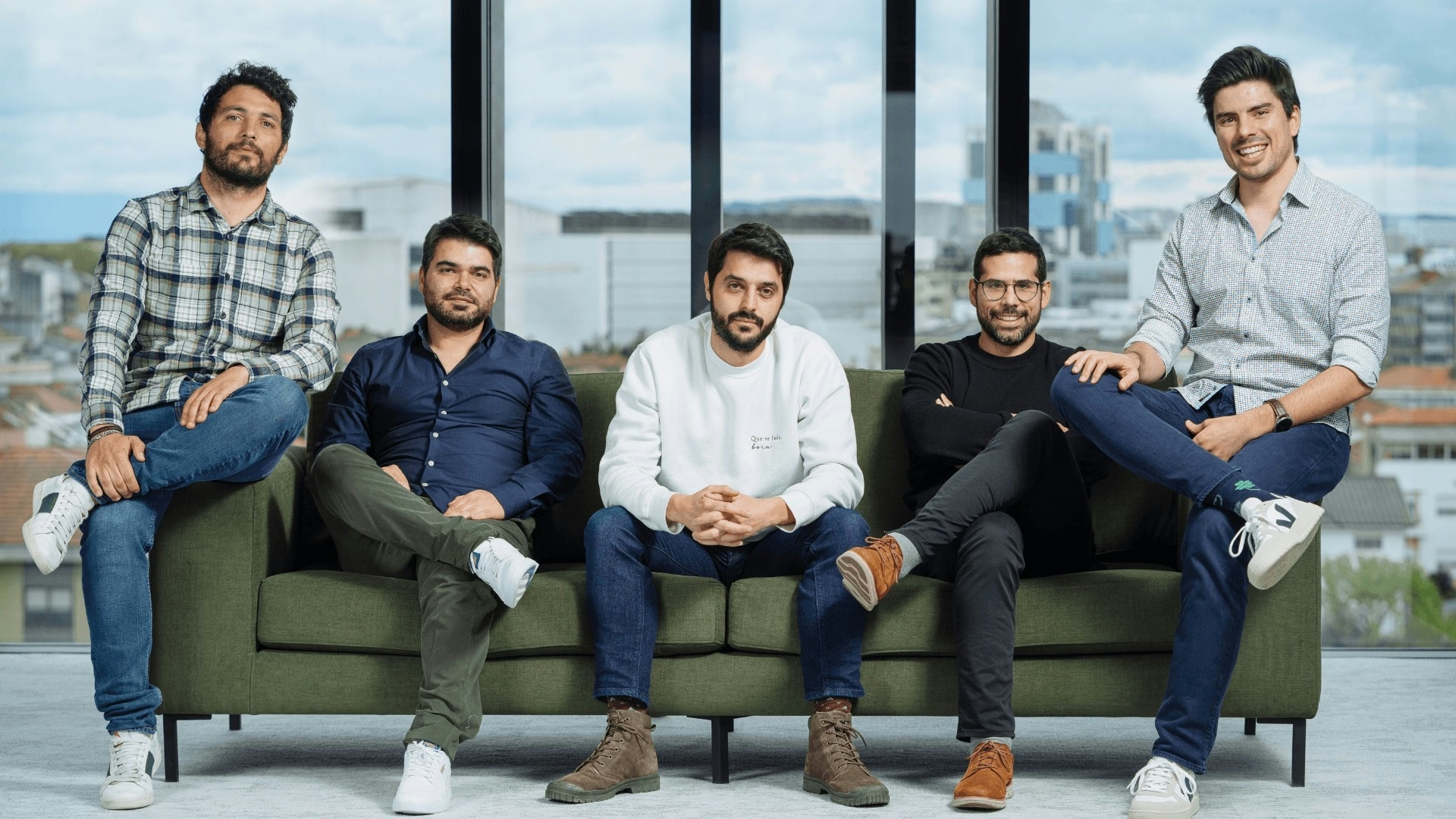
What surprised the founder most was not simply that we helped. It was how much time we gave the process.
There were plenty of other things competing for our attention, many of them arguably more important. But we stayed close, worked through the details and kept pushing the transaction forward alongside him. To the founder, it felt like we were in the process with him as founders ourselves.
Founders do not need the same kind of help at every stage. Early on, Sword needed someone willing to believe the evidence before the market believed the story. Once the company was growing, it needed someone willing to push beyond what was already working. And when it pursued its biggest acquisition, it needed someone prepared to get into the details and help carry the work.
Backing a founder is not a single decision made when the check is signed. It is a decision you keep making as the company changes and the stakes rise.
The first yes matters. So does the uncomfortable question when everything is going well. So does showing up when the outcome is uncertain and the work is hard.
That is what it means to be in a founder’s corner.

