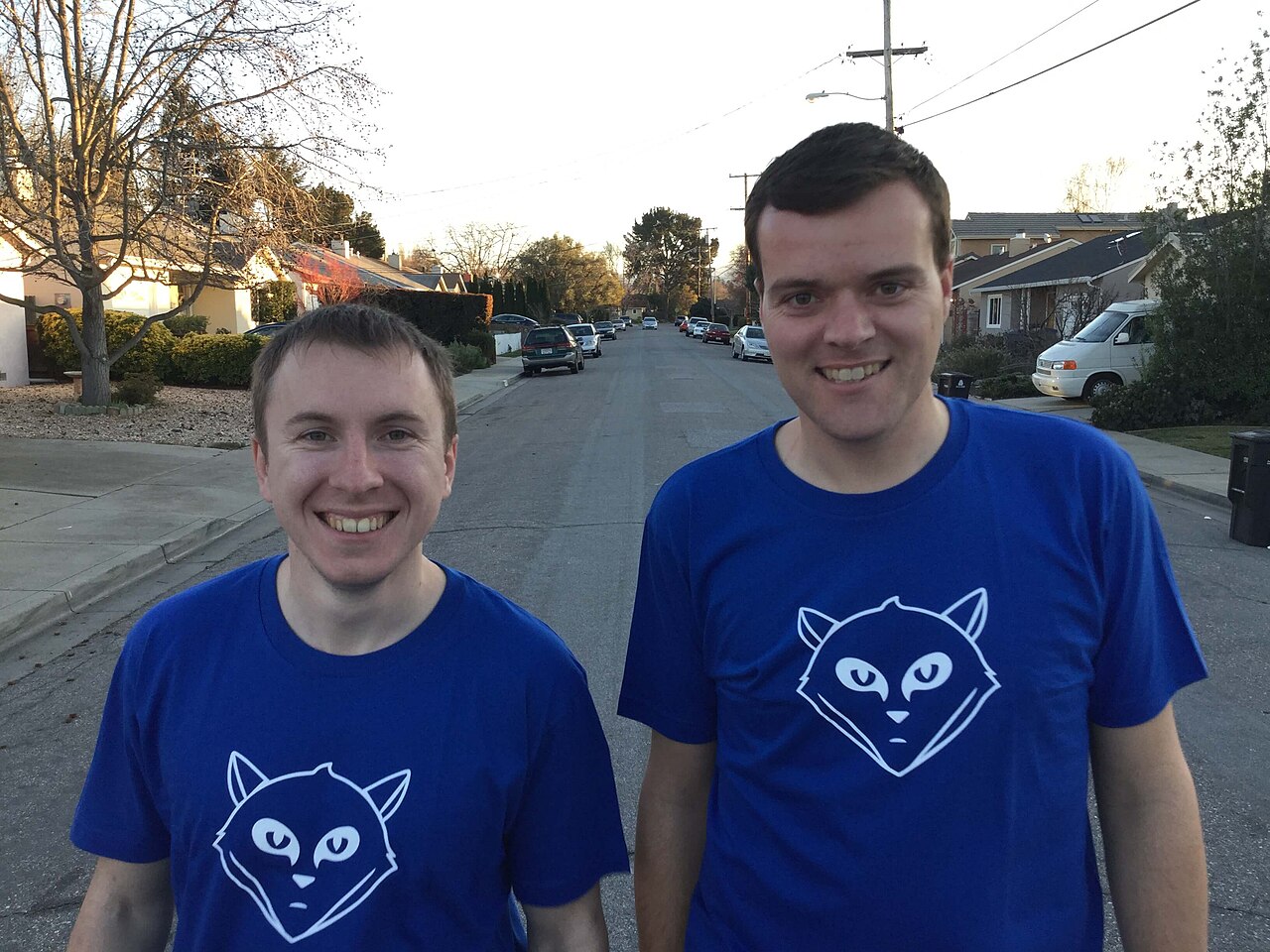
GitLab did not look like a conventional Silicon Valley company. That was the point.
Sid Sijbrandij and his co-founder, Dmitry Zaporozhets, believed in an all-remote company long before the pandemic forced everyone else to try it. They hired executives outside Silicon Valley. They believed the fragmented DevOps tool chain should become one application, bringing planning, source code management, CI/CD, monitoring and security into a single workflow. They combined product-led and sales-led growth when most software companies chose one or the other.
In 2015, we led GitLab’s seed round before the company presented at Y Combinator Demo Day, then led its Series A. At the time, GitLab was fully remote, built around an open-source project and competing with established companies including GitHub and Atlassian.
GitLab ran against much of the accepted startup playbook. In many ways, Sid taught us.
Our job was not to make GitLab more conventional. It was to help Sid build the organization and business model that could carry his ideas to scale.
After our seed and Series A investments, Sid asked us to help build his first executive team. We sourced candidates and helped recruit Chad Malchow as GitLab’s early CRO. He took the company from zero to $10 million in its first full year of sales.
We also recommended Paul Machle as a part-time CFO. By the Series B, Paul had become full-time and was helping with much more than finance. We helped Sid find GitLab’s first startup CMO and CHRO as well.
That team helped GitLab get moving. It was not the team the company would need forever.
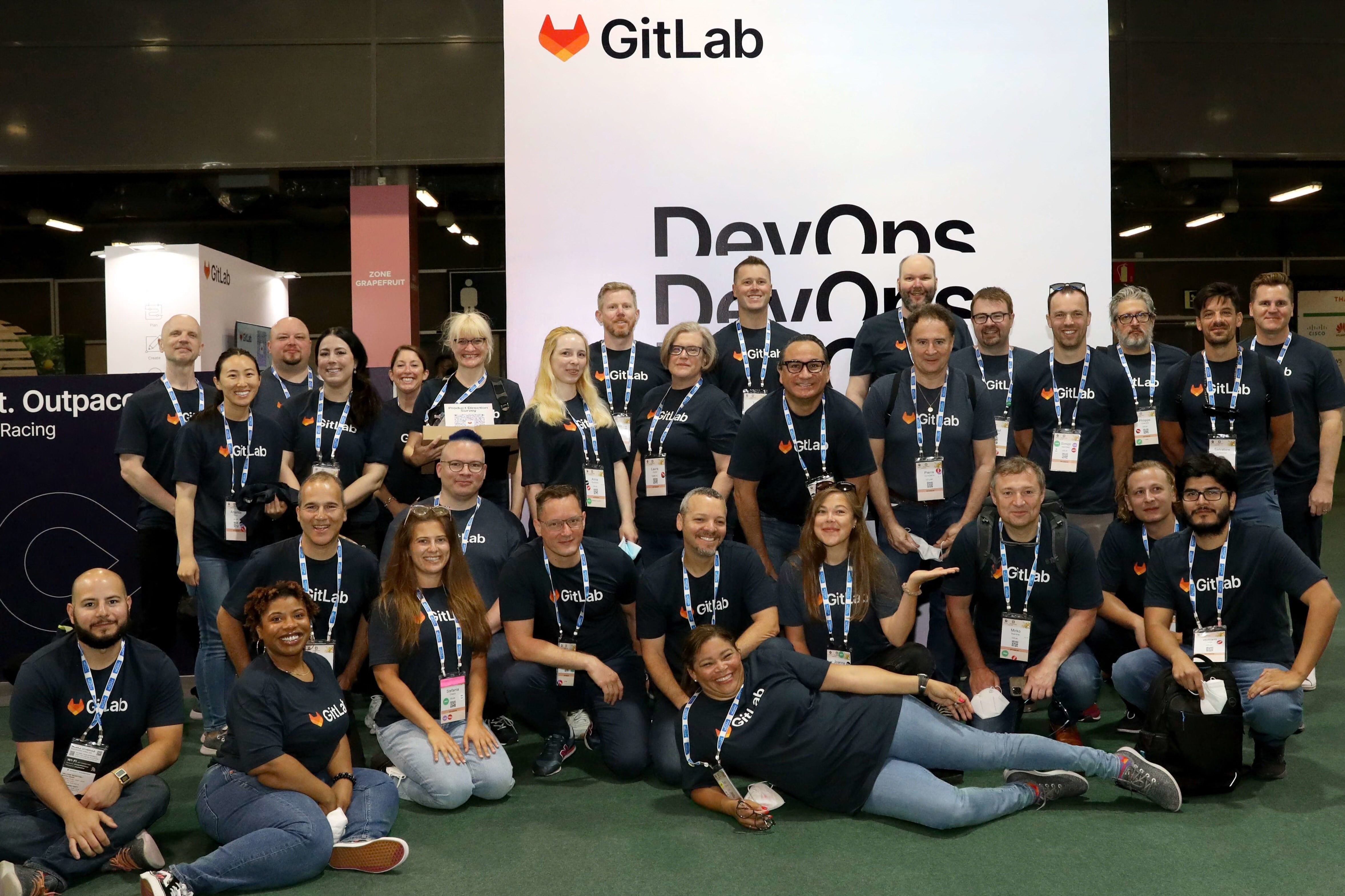
As GitLab grew, we helped Sid find and recruit leaders for the next stage. Michael McBride came in as CRO, Brian Robins as CFO and Eric Johnson as the company’s growth-stage vice president of engineering. We also helped recruit a new CPO, CMO, CHRO and general counsel.
All of this happened remotely, before remote executive recruiting felt normal.
Sid knew when he needed people around him with experience he did not yet have. When he needed help from elsewhere within KV, we made those people available. Building the first team mattered. Helping Sid upgrade it without slowing the company down mattered just as much.
Our support did not mean agreeing with every decision.
During one fundraise, Sid believed a particular term was standard for the market. We told him directly that it was not. When he decided to move forward anyway, we supported him. During another round that became oversubscribed, we went out of our way to help the company manage the process.
A useful investor should be willing to tell a founder when they think he is wrong. The investor should also know the difference between giving honest advice and insisting on control.
The same dynamic shaped one of GitLab’s most important pricing decisions.
Sid wanted GitLab to generate high revenue per user. We took that ambition seriously.
GitLab had combined roughly ten software categories into one product, but maintained a single price for all its modules across three tiers. We believed the highest tier should cost much more than competing products.
“Khosla Ventures was essential to the success of GitLab and me.”
Our reasoning was straightforward. At the time, a fully loaded engineer cost more than $100,000 per year. If GitLab could improve that engineer’s productivity by 10%, then charging $1,000 per user per year represented roughly a 1% added cost for the potential of a 10x return.
The benchmark should not be what a narrower competitor charged. It should be the value GitLab created for its customers.
We encouraged Sid to add a much higher-priced tier, which he called Ultimate. He took the advice, and many enterprise customers upgraded. Less than four years after GitLab’s first full year of sales, the company completed a successful IPO.
It is tempting to tell company stories as if the investor arrived with all the answers. That is not what happened here.
Sid showed us that an all-remote company could recruit exceptional people anywhere, that one application could replace a fragmented tool chain, and that product-led and sales-led growth did not have to be opposing religions.
We helped where we could be useful. We built the first executive team, then helped change it when the company outgrew it. We gave Sid direct advice during difficult financing moments, even when he chose a different path. And we pushed GitLab to price its product based on the value it created, not the prices its competitors had made familiar.
Sid’s assessment is more direct: “Khosla Ventures was essential to the success of GitLab and me.”
GitLab did not succeed by following the standard playbook. Our job was to help it scale without forcing it to.

